THE LAST MANGO

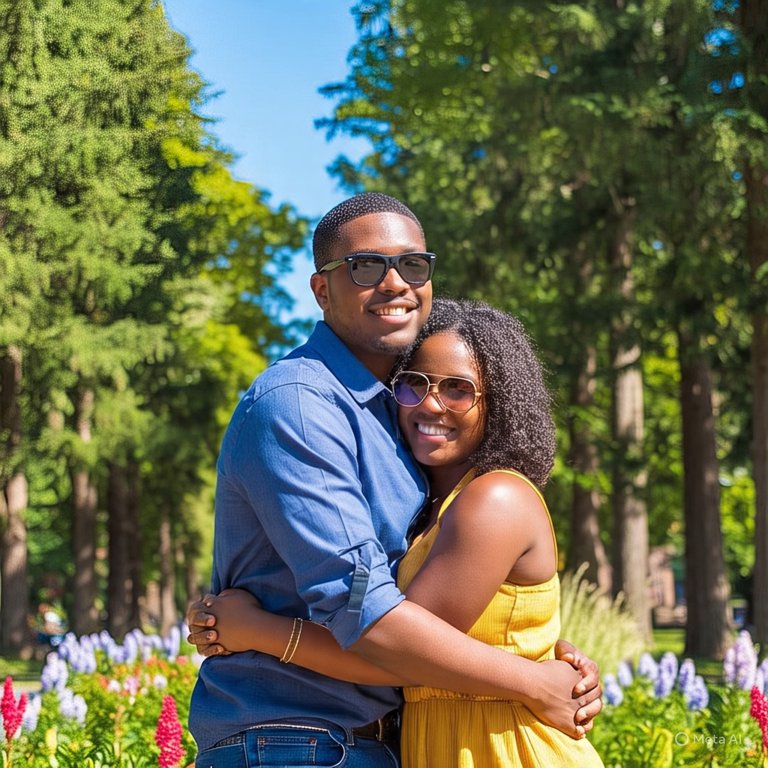
Tayo and Femi Adebayo had shared everything since childhood — a room, clothes, punishments from Mama, and even the scar on their left knees from falling off the mango tree behind their house in Surulere.
Tayo was two years older. Quieter, the one who fixed things. Femi was all laugh and noise, the one who broke them. When their father died in 2019, Tayo dropped out of UNILAG to run the generator repair shop. Femi stayed in school, studying computer science, but every evening he came to the shop to help.
Ada walked in one Tuesday in March. Rain was beating the zinc roof like drums. She had a small red iPhone and a power bank that wouldn’t charge.
“Abeg, you fit help me? My final project defense na tomorrow.”
Femi got to her first. He was always first with words. He made her laugh while Tayo opened the power bank in the back. Tayo found the fault in ten minutes. Didn’t say much, just handed it back working and told her to avoid fake follow-come chargers.
She came back the next week. And the next. Sometimes her phone was fine. She’d buy plantain chips from Mama’s kiosk and sit on the old generator while Femi argued about football and Tayo worked.
It happened slow. The kind of slow you don’t notice until you’re already in it.
Femi fell first, or at least he said it first. One night over beer and suya at Obalende, he told Tayo: “Bro, I think I love her. I want to ask her out proper.”
Tayo’s hand stopped halfway to his mouth. He’d been planning to walk Ada home that Friday. He’d ironed his good shirt. He hadn’t told anyone, not even himself, that the way she tucked her hair when she was troubleshooting code made his chest tight.
He swallowed. Nodded. “She’s a good girl. Do it.”
Femi asked her Saturday. She said yes. Tayo drove them to the cinema that night and waited outside in the Corolla, listening to the engine tick as it cooled.
For three months Tayo became an expert at leaving rooms. At finding faults in generators that weren’t there. At saying “you two go ahead” when Ada asked him to join them for lunch.
Then came the night in July. NEPA took light and the shop was stifling. Femi had gone to buy fuel. Ada was waiting, laptop open, using the shop’s small inverter. Rain started again.
Tayo was teaching her how to solder a wire when the light from the inverter caught her face. She looked up at him, and something in the air changed. It was half a second. Maybe less. But it was there.
“I’m sorry,” she whispered.
“Don’t,” Tayo said. “He’s my brother.”
Femi came back five minutes later, shaking water from his hair, and the moment was gone.
But Femi wasn’t stupid. He saw it. In the way Ada went quiet when Tayo was around. In the way Tayo stopped coming home for dinner when she was there.
The fight happened in September, under the same mango tree that gave them their matching scars. No shouting. That wasn’t them.
“You love her too,” Femi said. It wasn’t a question.
Tayo didn’t deny it. “It doesn’t matter.”
“It does to me.” Femi kicked at a mango. “I saw your face that night. And I saw hers.”
“So what?” Tayo’s voice cracked. “You want me to fight you for her? She chose you.”
“Did she?” Femi looked at him. “Or did she choose the brother who asked first?”
Neither of them had an answer.
Ada found them there. She’d been calling both of them. She stood in the rain, no umbrella.
“I can’t,” she said before either of them spoke. “I won’t be the reason you two stop being brothers. I watched my uncles do that over a woman. They haven’t spoken in 20 years. I won’t do that to you.”
Tayo started to protest. Femi did too. She held up her hand.
“I love you, Femi. I do. And Tayo... you’re the kind of man my father told me to find. But if being with me means you lose each other, then I’m too expensive. Some things cost more than they’re worth.”
She left them under the tree. Didn’t look back.
For a month the shop was quiet. Femi stopped coming after school. Tayo worked late. Mama asked what happened to “that fine girl” and neither answered.
It was Femi who broke first. He showed up one Wednesday with two bottles of Maltina and sat on the old generator.
“Shop looks empty without her yelling about Man U,” he said.
Tayo snorted. “You mean without you yelling about Man U and her correcting you.”
They didn’t talk about Ada. Not that day. But Femi came back Thursday. And Friday.
It took a year. Sometimes Tayo would see Ada’s name pop up on Femi’s phone and his stomach would still drop. Sometimes he caught Femi staring at the empty chair she used to sit in.
They never saw her again. Heard she got a job in Abuja, then Canada.
Two years later, Tayo was getting married. His wife, Kemi, was Mama’s friend’s daughter. Good woman. Loud laugh. She made Tayo laugh too.
At the reception, Femi stood up to give the best man speech. He raised his glass.
“To my brother,” he said, looking at Tayo. “For teaching me that some things are stronger than love. And that the best way to keep a person is to let them go.”
Later that night, after everyone left, they sat behind the shop under the mango tree. Same tree. New scars.
“You think she’s happy?” Tayo asked.
Femi was quiet for a long time. “I think we are,” he said finally. “And I think she’d want that.”
Tayo nodded. He picked up a mango from the ground and split it with his hands. Gave half to Femi.
They ate in silence. Brothers.
Some loves don’t end because they weren’t real. They end because something else was more real. And sometimes, that’s the only way the story stays whole.